
Where Patience Meets the Mountains
Origins Among Peaks and Pastures
From Transhumance to Workshop
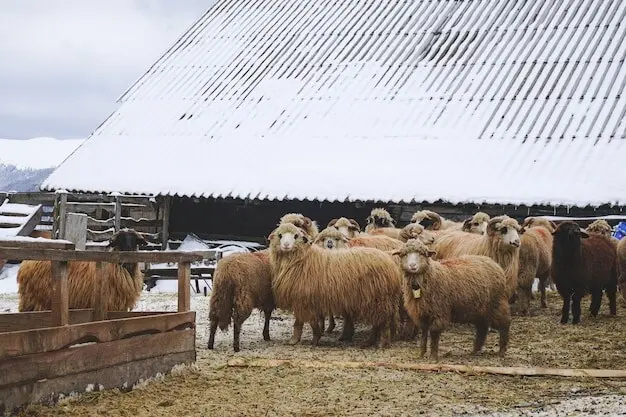
Seasonal movement, known as transhumance, shaped daily rhythms and material choices, because weight, repairability, and toughness mattered over fashion. In winter, tools were sharpened and handles carved; in summer, products were tested in wet fields and steep paths. That cycle still whispers through process, nudging makers to prototype in storms and refine during long snow.
Wood, Wool, Stone, and Time
Scarcity turned resources into teachers. Larch resisted weather on barns, Swiss stone pine calmed bedrooms, granite held heat, and wool kept shepherds dry despite sleet. Each property suggested a method, and every method demanded time. Embracing this dialogue today helps crafters minimize waste, respect limits, and let materials guide the sequence of careful steps.
Lore Carried by the Cowbells
Autumn festivals like Almabtrieb and Désalpe parade flower-crowned cattle home, but beneath the color lives instruction. The bells, forged and tuned by ear, told distances through fog, teaching sensitivity to sound, weight, and resonance. Such listening cultivates craft beyond ornament, encouraging makers to judge progress by feel, tone, and breath rather than hurried clocks.
Zirbenholz and Restful Rooms
Swiss stone pine, called Zirbenholz, holds a resinous scent many people associate with deep sleep and steady heartbeats. While claims vary, the experience is memorable: warm aroma, silky grain, and a hush in the room. Carving drawers, bed slats, or bowls from this wood invites gentler evenings, and reminds makers to value subtle effects over loud novelties.
Wool from Weathered Flocks
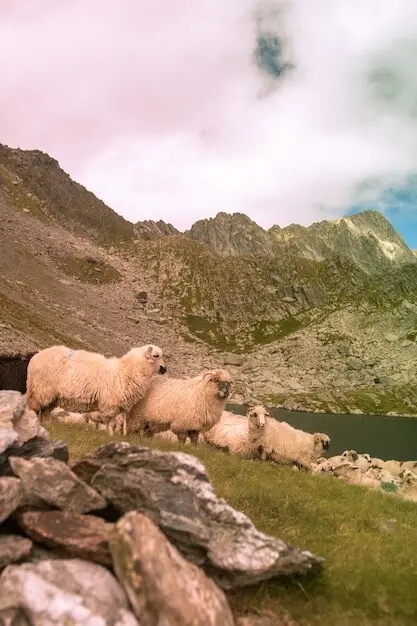
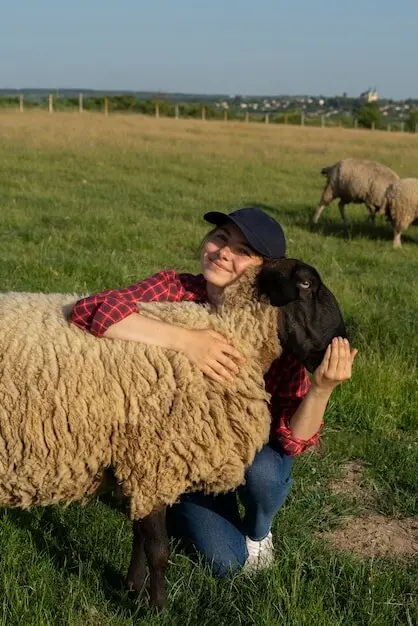
Breeds like Valais Blacknose and Tyrolean Bergschaf yield fibers resilient to snow and thin air. Their staple length and crimp produce hearty yarns that block beautifully and wear kindly. By buying fleeces directly from shepherds, makers support land care, celebrate biodiversity, and accept the delightful variety that machine-perfect mills often erase in pursuit of uniformity.
Dyes from Meadow and Forest
Color can come from walnut hulls, larch bark, onion skins, and carefully foraged berries, though ethics matter more than hues. Gather lightly, verify permissions, and document results, because altitude, water chemistry, and mordants change outcomes. Accepting irregular tones teaches humility, turns accidents into palettes, and preserves knowledge that glossy catalogs cannot bottle, however tempting their promises appear.

Tools, Pace, and the Joy of Slowness
Culinary Craft as Companion
Designing a Slowcraft Day
Preparing a Bench that Welcomes Work

Intervals of Silence and Sound
Community, Markets, and Mentors

All Rights Reserved.