High Trails, Healing Hands

Step into the crisp air of the high country as we explore wild herb foraging and small-batch alpine apothecary, blending mountain wisdom with careful practice. You’ll learn to recognize subtle plant signatures, gather ethically, craft potent preparations, and honor safety. Expect real trail stories, field-tested methods, and invitations to share your experiences, subscribe for fresh notes, and ask questions that keep our shared knowledge honest, compassionate, and rooted in the living landscape.

Reading the Mountain Landscape

Before any basket opens, the land speaks. Alpine ridgelines shift quickly, and microclimates hide wet gullies, sunny scree, and wind-sheltered ledges. Understanding slope, aspect, snowmelt timelines, and animal patterns protects fragile habitats and your own steps. We’ll interpret cloud language, rock lichens, and the chatter of birds to anticipate weather and discover resilient pockets where herbs flourish without strain or harm.

Identification Essentials for Alpine Herbs

Confidence begins with curiosity and patience. Many alpine plants grow small, hugging stone and sun. We’ll lean on botanical keys, reliable field guides, and careful photography to capture venation, stem structure, and habitat context. Misidentification carries real consequences, so we layer senses, compare with known references, and accept a joyful truth: leaving an unknown plant untouched is a victory for both knowledge and the mountains.

Look-Alikes You Must Know

Beautiful can be dangerous. Always study toxic look-alikes like monkshood near streams and hemlock in moist meadows below treeline. Note flower configuration, leaf segmentation, and root odor. Cross-check multiple features, not just color or height. When in doubt, abstain, photograph, and consult mentors. Building a mental map of regional impostors protects your health, preserves trust in your craft, and sharpens attention with every careful field hour.

Trust Your Senses, Document Evidence

Sight sets the stage, but touch, scent, and context confirm. Feel whether leaves are hairy, waxy, or softly glandular. Notice resins that cling to fingers or lemony vapors rising when you roll a needle between fingertips. Smell can guide, never replace, proven keys. Photograph nodes, basal rosettes, habitat, and scale with a coin. Back home, compare against herbarium images, and log uncertainties as invitations to learn, not failures.

A Field Journal That Actually Works

Make entries immediate and simple: date, elevation, slope aspect, companions, weather, GPS or landmark, and sketches of important features. Tape in a tiny fallen leaf or spent petal when legal and ethical. Add a quick mood note, because memory anchors to feeling. Later, tag entries with bloom windows and harvest suitability. Over seasons, your notebook becomes a living atlas guiding safe, repeatable, and respectful gathering decisions.

The Minimalist Kit That Punches Above Its Weight

Carry a small pruner, folding knife, hand lens, washable cloth bags, waxed paper for sticky resins, alcohol wipes, lightweight gloves, and a pencil with waterproof tags. Add a compact scale if you’re quant-driven, or pre-weigh bags to estimate harvests. A bandana doubles as shade, strainer, and improvised wrap. Every item earns its place by protecting potency, conserving effort, and reducing waste across long, elevation-gain days.

Keeping Plants Potent After the Pick

Heat and crushing degrade delicate constituents. Spread soft aerial parts lightly in breathable bags, never plastic. Shade matters more than speed, so rest briefly in cool spots while you sort. Separate resinous conifers from aromatic flowers to avoid scent transfer. If hiking far, stage micro-batches, tying gentle bundles that won’t compact. Label immediately with plant, location, and use, because perfect identification means little if jars lose their stories.

Small-Batch Apothecary Foundations

Back at the bench, craft transforms harvests into remedies with patience and precision. We’ll cover maceration ratios, solvent choices, drying techniques, and storage that respects light and heat. Clean labeling preserves traceability and ethical transparency. While tradition inspires, measurements and logs keep batches consistent. Most importantly, we frame everything as educational, encouraging consultation with qualified healthcare professionals and honoring local regulations and personal health contexts.

Arnica Salve for Tired Legs (External Only)

Steep dried arnica flowers in a gentle oil using low, steady warmth, then blend with beeswax for trail-weary calves and shoulders. Label strictly for external use and avoid broken skin. Add a breath of mountain pine for scent, if desired. This salve captures sunlit meadows and the relief that arrives after switchbacks, offering comfort while reminding us to rest, hydrate, and stretch with kindness to our hardworking bodies.

Pine and Spruce Needle Oxymel

Combine fresh, finely chopped needles with raw apple cider vinegar and honey, balancing brightness and woodland depth. Shake daily for weeks, strain, and bottle. The result tastes like snowfall meeting sunrise. Enjoy culinary drizzles or small sips, minding individual needs and professional guidance. Notes of citrusy vitamin-rich greens mingle with resin, crafting a tonic that feels like a long inhale beside a wintering stream, clear, bracing, and unexpectedly comforting.

Stories Carried by the Wind

Grandmother’s Lesson Beside a Glacier
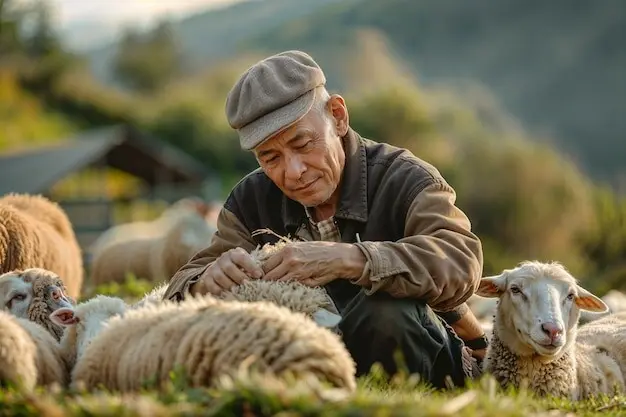
She brushed snow from yarrow with mittened hands and said, wait for the plant to invite you. I didn’t understand until many seasons later, when a patch near a meltwater rivulet hummed with bees and patience. We took only what fit lightly in a palm, counting breaths between snips, then lingered to watch clouds stitch shadows across the blue ice, learning restraint by simply staying.

When the Sky Changes Its Mind

Lightning raised its quiet question across two valleys, and we answered by turning back. The baskets were light but right. On the descent, rain perfumed the air with spruce and wet granite, and our notes recorded absence rather than bounty. Later, tea tasted sweeter because it waited. Safety isn’t separate from craft; it is the craft, a promise we keep to return, revise, and continue learning.

A Circle of Hands at Dawn

We met where the trail spills into a meadow of larks and lichen-painted stones. Someone shared a new knot for bundling, another passed around a magnifier revealing resin domes like tiny suns. We named plants softly, traded stories of mistakes, laughed, and planned restoration days. Community made the work lighter, the ethics clearer, and the medicine deeper, braided from many perspectives rather than one.

Keep the Conversation Growing

Your experiences turn this practice into a living exchange. Ask questions about identification puzzles, ratio tweaks, or drying setups that fit a small apartment. Subscribe for seasonal foraging windows, batch logs, and safety updates. Share field notes, photos, and respectful corrections that help everyone improve. Together we build resources that welcome beginners, challenge veterans, and keep mountain plants, people, and knowledge aligned in care and reciprocity.
Sentopexikirapalozavo
Privacy Overview

This website uses cookies so that we can provide you with the best user experience possible. Cookie information is stored in your browser and performs functions such as recognising you when you return to our website and helping our team to understand which sections of the website you find most interesting and useful.